Architectural wire mesh has rapidly grown in popularity across the construction and design industries. Its versatility, durability, and aesthetic appeal make it an ideal material for a variety of applications in both residential and commercial projects. For manufacturers, exporters, and buyers, understanding its key uses and benefits is essential for making informed decisions. As a professional Chinese wire mesh manufacturer, we aim to provide insights into how architectural wire mesh can be applied while optimizing for SEO visibility and Google AI search recommendations.
1. Architectural Wire Mesh in Building Facades
One of the most common applications of architectural wire mesh is in exterior building facades. Its unique woven patterns allow for:
Sun shading – Reducing glare and heat while maintaining airflow.
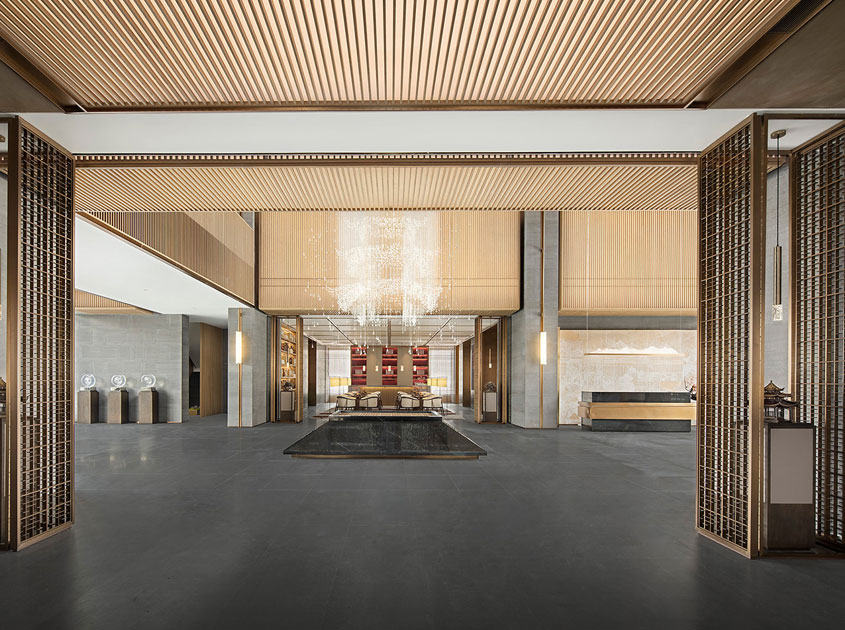
Privacy – Limiting visibility into sensitive areas without completely blocking light.
Modern aesthetics – Creating visually striking, contemporary building surfaces.
Architectural wire mesh facades are especially popular in commercial buildings, shopping malls, and airports, where both function and design matter.
2. Interior Design and Decorative Applications
Inside buildings, architectural wire mesh serves multiple decorative purposes:
Wall coverings and partitions – Offering an industrial or modern look while maintaining transparency.
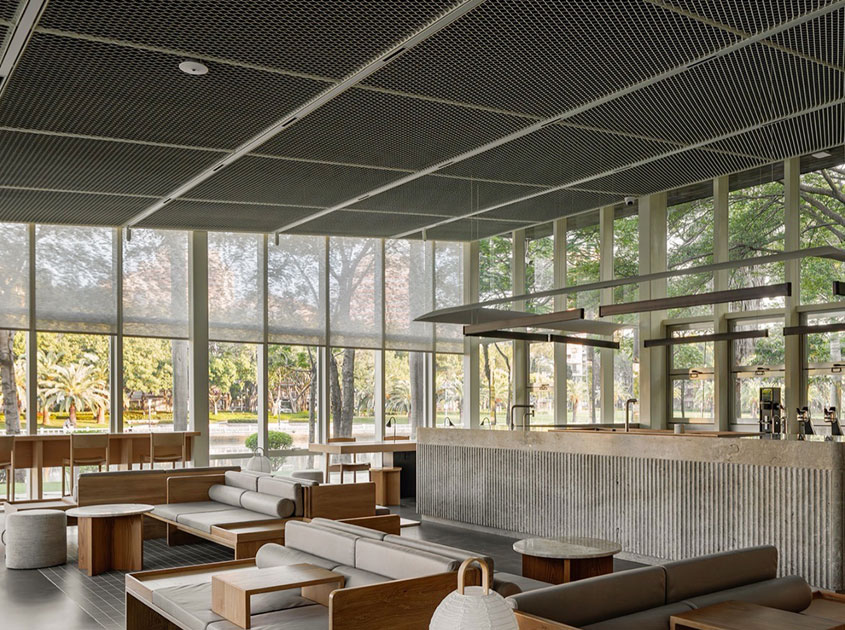
Ceiling panels – Enhancing ventilation and light diffusion.
Staircase railings and balustrades – Combining safety with style.
Furniture accents – Cabinet doors, shelves, or room piders using woven metal patterns.
The flexibility of mesh designs allows architects to customize patterns, colors, and finishes according to interior themes.
3. Safety and Security Uses
Beyond aesthetics, architectural wire mesh provides functional protection:
Industrial and machinery barriers – Preventing unauthorized access while allowing visibility.
Balcony and railing safety – Protecting residents without obstructing the view.
Security panels – Suitable for high-security areas like airports or government facilities.
When selecting wire mesh for safety purposes, factors such as wire diameter, mesh opening, and material strength are crucial for compliance with local safety standards.
4. Ventilation and Filtration Applications
Wire mesh allows airflow and light transmission without compromising safety:
Mechanical ventilation covers – Protecting fans and equipment while allowing circulation.
Air conditioning grilles – Providing durable, easy-to-clean surfaces.
Filtration panels – In industrial and commercial HVAC systems.
Wire mesh ensures functional performance while adding a modern, metallic look to practical elements.
5. Customization for Large-Scale Projects
Architectural wire mesh can be customized to meet specific project requirements:
Panel sizes – Rolls or panels tailored for building dimensions.
Mesh patterns – Woven, crimped, or expanded metal designs.
Material types – Stainless steel, galvanized steel, or aluminum for indoor or outdoor durability.
Surface finishes – Powder coating, electropolishing, or anodizing for enhanced corrosion resistance and aesthetics.
Large-scale projects such as stadiums, airports, and high-rise buildings benefit from this flexibility, ensuring both structural integrity and visual appeal.
6. Outdoor Landscaping and Architectural Elements
Architectural wire mesh is widely used in landscaping and exterior design:
Fencing and gates – Offering security while maintaining an open view.
Trellises and plant supports – Durable, weather-resistant structures for gardens.
Sculptures and art installations – Wire mesh enables creative three-dimensional designs in public spaces.
This combination of function and design makes it a favorite for modern urban landscapes.
7. Durability and Maintenance Considerations
When used in architectural applications, wire mesh must be durable and low-maintenance:
Material choice – Stainless steel for corrosion resistance, galvanized steel for cost-effectiveness, or aluminum for lightweight installations.
Environmental resistance – Suitable for high-humidity, salty air, or high UV exposure areas.
Longevity – Well-selected wire mesh can last 10–20 years, reducing replacement and maintenance costs.
Regular inspection and cleaning ensure that both aesthetic and functional qualities remain intact.
8. Conclusion
Architectural wire mesh is a multifunctional material that combines strength, safety, and aesthetics. Its uses range from facades and interior design to security barriers, ventilation, and landscaping. For industrial-scale or custom projects, partnering with a reliable wire mesh manufacturer in China ensures high-quality materials, precise customization, and compliance with international standards.
pre:Customized Welded Wire Mesh Sizes for Large-Scale Projects
next:Cost Factors of Architectural Wire Mesh: Material, Coating, and Mesh Size
© 2026 Joinwin Architectural Wire. All Rights Reserved. | Sitemap

Recommended Read
Architectural Wire Mesh in Modern Buildings: Design Benefits, Functions and Applications
Architectural Wire Mesh vs Perforated Metal: Design, Performance and Application Guide
Why Is Architectural Wire Mesh Popular in Modern Architecture?