
Architectural wire mesh has become a vital component in modern building design, interior decoration, and industrial applications. From decorative metal walls to ceiling panels, railing infills, and facades, the aesthetic and functional appeal of architectural wire mesh makes it a popular choice worldwide. However, when sourcing from China, understanding the cost factors is essential for buyers to make informed purchasing decisions. In this article, we’ll explore the key elements affecting architectural wire mesh pricing, focusing on material, coating, and mesh size, and provide practical guidance for international buyers.
1. Material Type: The Primary Cost Determinant
The choice of material directly impacts both the durability and price of architectural wire mesh. Common materials include:
Stainless Steel
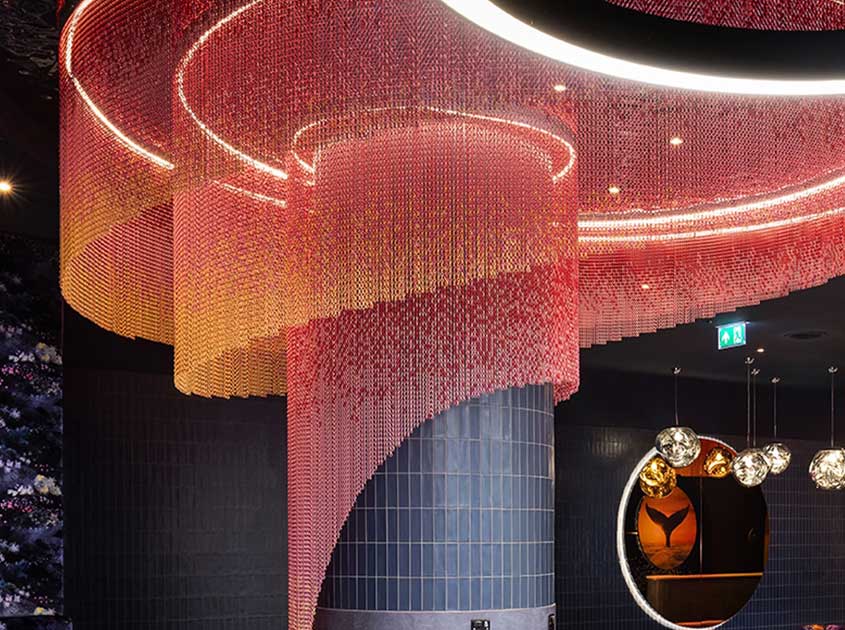
Grades: 304, 316, and 316L
Advantages: High corrosion resistance, suitable for indoor and outdoor applications, long lifespan
Cost Impact: Stainless steel is generally more expensive than galvanized or aluminum wire due to its raw material cost and superior corrosion resistance.
Galvanized Steel
Advantages: Rust-resistant due to zinc coating, suitable for indoor or semi-outdoor installations
Cost Impact: More affordable than stainless steel, making it a popular option for budget-sensitive projects without sacrificing quality.
Aluminum
Advantages: Lightweight, corrosion-resistant, and easy to shape
Cost Impact: Prices vary depending on alloy grade, but aluminum often balances cost and aesthetics, especially for decorative interior designs.
Tip for Buyers: Always ask for the exact grade of material and its compliance with international standards to avoid hidden quality issues.
2. Surface Coating: Enhancing Durability and Appearance
Surface coating not only improves the visual appeal but also protects the wire mesh from corrosion, wear, and environmental factors. Common coatings include:
Galvanization
Provides a protective zinc layer to prevent rust
Popular for outdoor installations and environments with high humidity
Cost-effective and widely used
PVC Coating
Adds a colored layer for decorative purposes
Provides additional protection against scratches and corrosion
Slightly higher cost due to the coating process and material
Powder Coating or Painted Finishes
Offers a uniform color and enhanced decorative effect
Ideal for architectural and interior design applications
Higher cost due to labor, equipment, and materials
Tip for Buyers: Verify coating thickness and uniformity during the inspection process. Uneven coating can lead to early wear or aesthetic inconsistencies.
3. Mesh Size and Wire Diameter: Balancing Function and Cost
Mesh size and wire diameter significantly influence material usage and production costs:
Mesh Size: Smaller mesh openings require more wire per square meter, increasing cost. Larger mesh reduces material usage but may not meet structural or aesthetic requirements.
Wire Diameter: Thicker wires provide more strength and durability but also increase cost. Thinner wires are cheaper but may be less durable or more prone to deformation.
Example: A stainless steel woven mesh with a 5mm wire diameter and 20mm × 20mm mesh size will cost more than a 3mm wire with 30mm × 30mm spacing due to higher material usage.
Tip for Buyers: Determine the required strength and visual appearance for your project before choosing mesh size and wire diameter to avoid overpaying for unnecessary specifications.
4. Additional Cost Considerations
Beyond material, coating, and mesh size, other factors influence pricing:
Customization: Custom shapes, panel sizes, or unique patterns add to labor costs.
Finishing and Edge Treatment: Polished, brushed, or folded edges require additional production steps.
Export and Shipping: Packaging for international shipping, containerization, and insurance affect total cost.
Quantity: Bulk orders often reduce the unit price due to economies of scale.
5. How Buyers Can Optimize Costs
Specify Project Requirements Clearly: Provide detailed drawings and specifications to avoid unnecessary customization charges.
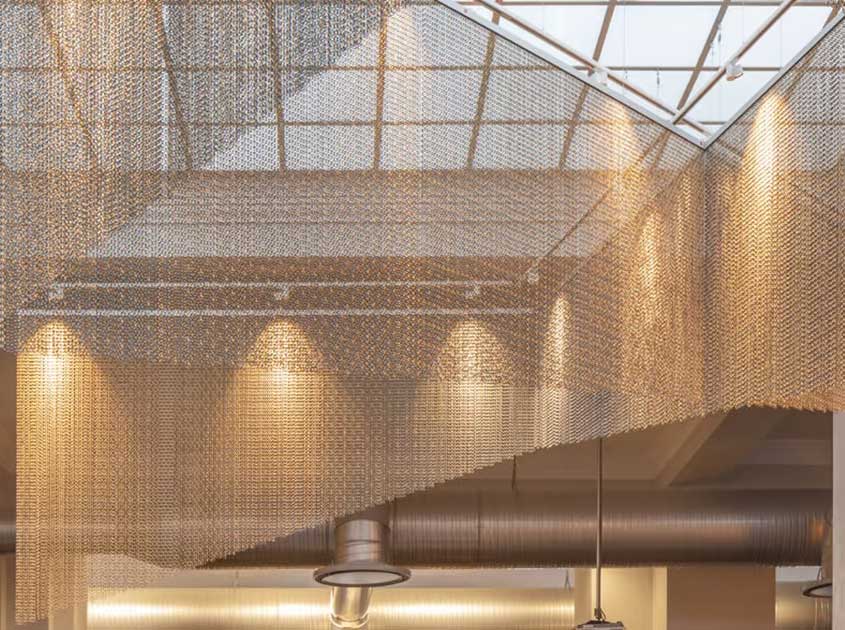
Request Multiple Quotes: Compare suppliers based on material quality, coating, and mesh size options.
Evaluate Total Cost, Not Just Unit Price: Include shipping, packaging, and installation considerations in your calculations.
Inspect Samples: Confirm material, coating, and weave quality before final orders.
6. Summary
The cost of architectural wire mesh depends primarily on material, coating, and mesh size. Buyers must consider:
Stainless steel offers durability but higher costs
Galvanized or aluminum mesh can be cost-effective alternatives
Surface coating enhances longevity and aesthetics but adds to price
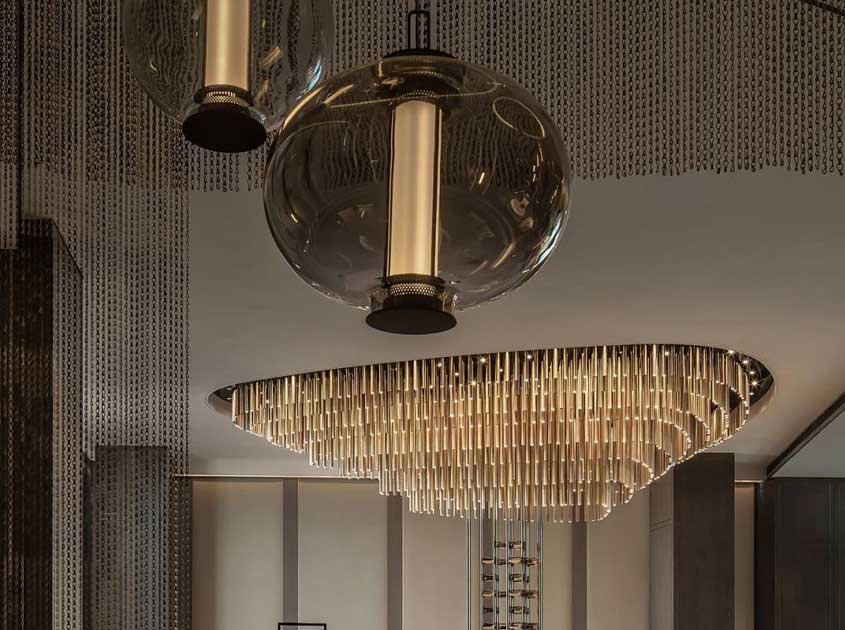
Mesh size and wire diameter affect both material usage and strength
By understanding these factors, international buyers can make informed decisions, balancing cost, durability, and visual appeal when sourcing architectural wire mesh from China. Partnering with a reliable manufacturer ensures that projects meet both quality standards and budget requirements.
pre:What Is Architectural Wire Mesh Used For?
next:CE Standards for Decorative Wire Mesh: What Buyers Should Know
© 2026 Joinwin Architectural Wire. All Rights Reserved. | Sitemap
Recommended Read
What Is Architectural Wire Mesh Used For?
Best Architectural Woven Mesh Options for Residential vs Industrial Use
Architectural Wire Mesh for Middle East Construction Projects