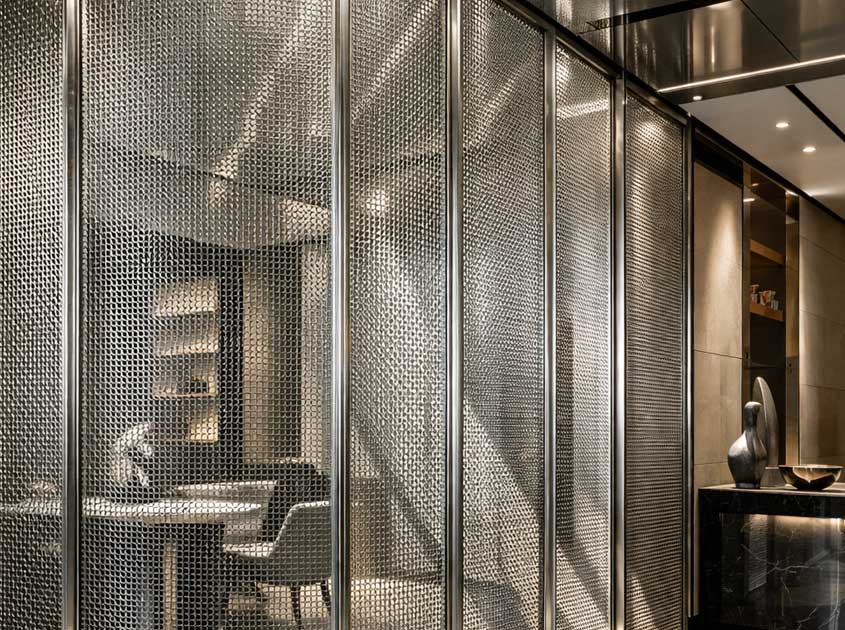
Architectural wire mesh has become an essential material in modern Middle Eastern architecture. From luxury hotels and shopping malls to airports, mosques, and commercial façades, architectural wire mesh is widely used for sun shading, decorative façades, interior partitions, and ventilation systems.
However, selecting the right architectural wire mesh for Middle East applications requires careful consideration of climate conditions, architectural style, functional requirements, and long-term durability. This guide explains how to choose the most suitable architectural wire mesh for projects in the Middle East.
1. Why Architectural Wire Mesh Is Widely Used in the Middle East
The Middle East presents unique architectural and environmental challenges:
Extreme heat and intense sunlight
Sand, dust, and desert wind
Coastal humidity and salt exposure
High demand for luxury and iconic design
Architectural wire mesh is favored because it offers:
Excellent ventilation and airflow
Effective solar shading
Modern and traditional design flexibility
Durability in harsh climates
It blends aesthetic appeal with functional performance, making it ideal for the region.
2. Understand the Application Scenario First
Before selecting a mesh type, clarify how it will be used.
Common Middle East applications include:
Building façades and curtain walls
Sun shading screens
Interior decorative panels
Ceiling and partition systems
Balustrades and railing infill
Each application requires different mesh structures, wire diameters, and surface finishes.
3. Choosing the Right Material for Harsh Climate Conditions
Material selection is critical in the Middle East.
Common material options:
Stainless Steel (304 / 316)
Excellent corrosion resistance, ideal for coastal and high-humidity areas.
Aluminum Alloy
Lightweight, easy to install, and suitable for large façade systems.
Carbon Steel with Special Coatings
Cost-effective when combined with advanced surface treatment.
For long-term performance, stainless steel and aluminum are the most recommended materials.
4. Mesh Structure: Woven vs. Decorative Patterns
Architectural wire mesh comes in various structures.
Woven Architectural Wire Mesh
Interlaced wire structure
Flexible yet strong
Popular for façades and sun shading
Decorative or Custom Pattern Mesh
Designed for visual impact
Often laser-cut or specially woven
Suitable for interior and landmark projects
In Middle Eastern architecture, woven mesh is often selected for both functionality and aesthetics.
5. Solar Shading and Ventilation Performance
One of the key reasons architectural wire mesh is used in the Middle East is solar control.
Mesh selection should consider:
Opening size and transparency ratio
Balance between shade and visibility
Natural airflow requirements
Well-designed wire mesh reduces heat gain while maintaining brightness and ventilation—essential for energy-efficient buildings.
6. Surface Finish and Corrosion Protection
Surface treatment significantly affects durability and appearance.
Recommended finishes for Middle East environments:
Anodized aluminum
Powder coating
Hot-dip galvanizing
Stainless steel natural finish or brushed finish
For coastal areas, salt corrosion resistance should be a top priority.
7. Aesthetic Compatibility with Middle Eastern Architecture
Middle Eastern architecture often combines:
Modern minimalism
Traditional geometric patterns
Luxury metallic textures
Architectural wire mesh supports:
Gold, bronze, black, and custom colors

Geometric and Islamic-inspired patterns
Contemporary or classic design styles
Customization helps architects achieve both cultural identity and modern expression.
8. Fire Safety and Building Regulations
Public buildings in the Middle East often require:
Fire-resistant materials
Compliance with international building standards
Metal architectural wire mesh is:
Non-combustible
Suitable for high-traffic public areas
Easy to integrate with safety systems
Always confirm compliance with local regulations and project specifications.
9. Installation and Structural Support Considerations
Mesh performance depends on proper installation.
Important factors:
Frame system design
Tension and fixing method
Expansion allowance for temperature variation
Working with experienced manufacturers ensures the mesh is engineered for safe and efficient installation.
10. Why Work with an Export-Experienced Chinese Manufacturer
China is one of the world’s leading suppliers of architectural wire mesh.
Advantages include:
Advanced weaving and fabrication technology
Custom design capability
Stable quality control
Export-standard packaging and logistics
Manufacturers with Middle East project experience understand local expectations, climate challenges, and architectural standards.
Conclusion
Selecting architectural wire mesh for Middle East applications requires a balance of design, durability, and performance. Material choice, mesh structure, surface finish, and customization all play critical roles in ensuring long-term success.
By working with a professional architectural wire mesh manufacturer and choosing products designed for harsh climates, architects and developers can create iconic, sustainable, and visually striking buildings across the Middle East.
Architectural wire mesh is not just a decorative element—it is a functional architectural solution tailored for one of the world’s most demanding environments.
© 2026 Joinwin Architectural Wire. All Rights Reserved. | Sitemap

Recommended Read
Architectural Wire Mesh vs Perforated Metal: Design, Performance and Application Guide
How to Choose the Right Aluminum Chain Curtain for Interior Design?
Why Is Architectural Wire Mesh Popular in Modern Architecture?