Architectural woven mesh has become a highly versatile material in modern construction and interior design. From luxury residential interiors to heavy-duty industrial facades, woven metal mesh offers a unique combination of aesthetics, durability, ventilation, and structural performance.
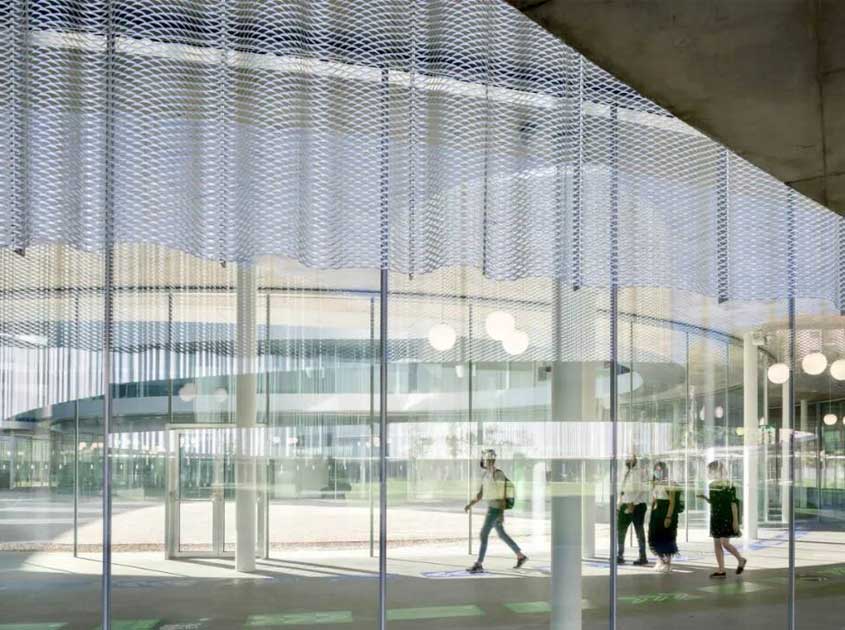
However, residential and industrial projects require very different woven mesh solutions. Choosing the wrong specification may lead to unnecessary costs, performance issues, or compliance risks. This article explains the best architectural woven mesh options for residential vs industrial use, helping buyers make informed decisions based on function, environment, and budget.
1. What Is Architectural Woven Mesh?
Architectural woven mesh is a metal fabric produced by interweaving metal wires, rods, or flat strips in specific patterns. Common materials include:
Stainless steel
Aluminum alloy
Carbon steel
Copper or brass (decorative use)
It is widely used in:
Wall cladding
Facades
Ceilings
Partitions
Balustrades
Sun shading systems
The key advantage of woven mesh is its ability to combine visual transparency with structural strength.
2. Key Differences Between Residential and Industrial Applications
Before selecting a product, it’s important to understand how residential and industrial requirements differ.
Aspect Residential Use Industrial Use
Priority Design & comfort Strength & durability
Load requirement Low to medium Medium to high
Environment Indoor / semi-outdoor Outdoor / harsh
Standards Fire & safety codes Structural & safety codes
Cost focus Design value Lifecycle cost
These differences directly affect mesh structure, wire diameter, material selection, and surface treatment.
3. Best Architectural Woven Mesh for Residential Use
Residential projects focus on visual appeal, light control, and interior harmony. Mesh products used in homes are typically lighter and more decorative.
3.1 Recommended Materials for Residential Projects
Stainless steel 304 – corrosion-resistant, clean appearance
Aluminum woven mesh – lightweight, easy to install
Copper or brass mesh – luxury and artistic finishes
These materials are suitable for interior and covered exterior areas.
3.2 Ideal Mesh Structures for Residential Design
The most popular woven mesh styles for residential use include:
Flat woven mesh – smooth surface for walls and ceilings
Decorative crimped mesh – adds texture and depth
Fine woven metal fabric – soft visual effect, ideal for partitions
Typical wire diameters range from 0.8 mm to 2.0 mm, ensuring flexibility and elegance.
3.3 Common Residential Applications
Interior wall decoration
Staircase railings
Balcony screens
Decorative partitions
Fireplace protection panels
In residential use, visual consistency and comfort are often more important than heavy mechanical performance.
4. Best Architectural Woven Mesh for Industrial Use
Industrial projects require woven mesh that can withstand mechanical stress, wind load, temperature variation, and long-term exposure.
4.1 Recommended Materials for Industrial Projects
Stainless steel 316 – superior corrosion resistance
High-tensile carbon steel – high strength at lower cost
Galvanized steel – cost-effective outdoor solution
These materials are ideal for exterior facades, infrastructure, and industrial buildings.
4.2 Structural Mesh Types for Industrial Applications
Industrial architectural woven mesh typically uses:
Heavy-duty crimped mesh
Rigid woven panels
High-load spiral mesh
Rod-and-cable woven systems
Wire diameters usually range from 2.5 mm to 6.0 mm, depending on structural requirements.
4.3 Common Industrial Applications
Building facades
Parking garage screens
Safety barriers
Sun-shading systems
Industrial enclosures
These systems prioritize strength, safety, and long service life over decorative detail.
5. Surface Treatment and Finish Selection
Surface finishing plays a critical role in performance and appearance.
Residential Finishes
Brushed stainless steel
Powder-coated aluminum
Antique copper finish
Custom color coatings
Industrial Finishes
Hot-dip galvanizing
Zn-Al alloy coating
Anodized aluminum
Weather-resistant coatings
Correct surface treatment significantly improves corrosion resistance and maintenance cycles.
6. Fire Safety and Building Compliance
Architectural woven mesh used in buildings must comply with local fire and safety standards, especially for:
High-rise buildings
Public spaces
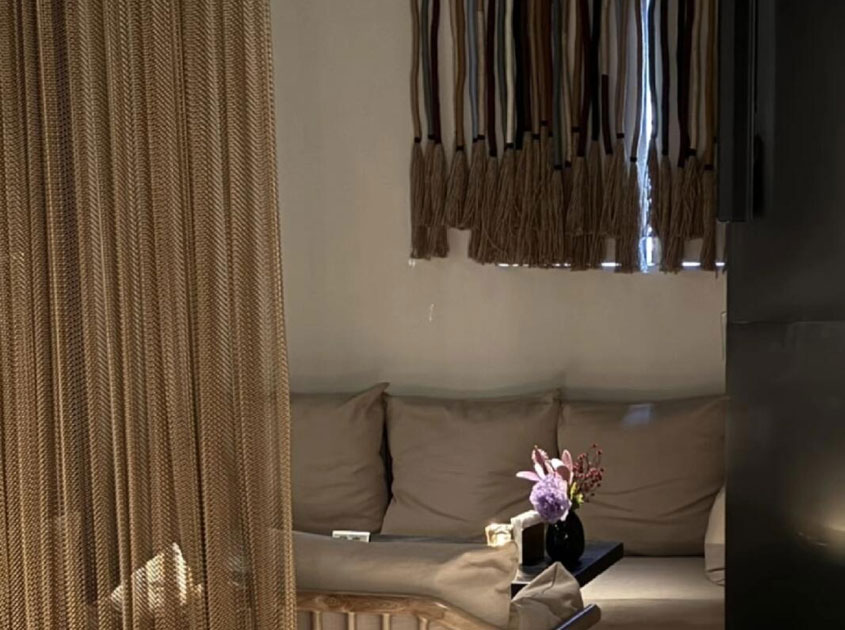
Commercial interiors
Metal woven mesh is non-combustible, making it ideal for projects requiring fire-rated materials. Reliable manufacturers can provide material certificates, fire test reports, and compliance documents.
7. Cost Considerations: Residential vs Industrial
Cost structures differ between the two applications:
Residential mesh focuses on design value per square meter
Industrial mesh focuses on lifecycle cost and durability
While industrial mesh may have a higher upfront cost, it often delivers lower maintenance and longer lifespan, making it more economical over time.
8. Customization Options from Chinese Manufacturers
Professional Chinese architectural woven mesh manufacturers offer:
Custom mesh patterns
Wire diameter and opening size adjustment
Project-specific panel sizes
Surface finish customization
OEM & private label services
Customization allows buyers to align performance with architectural intent and local regulations.
9. Conclusion
Choosing the best architectural woven mesh depends heavily on whether the project is residential or industrial.
Residential projects prioritize aesthetics, lightness, and interior harmony
Industrial projects demand strength, durability, and regulatory compliance
By working with an experienced Chinese architectural woven mesh manufacturer, buyers gain access to a wide product range, professional engineering support, and cost-effective customized solutions for global markets.
Selecting the right mesh from the beginning ensures design success, structural reliability, and long-term value.
pre:Architectural Wire Mesh for Middle East Construction Projects
next:Customized Welded Wire Mesh Sizes for Large-Scale Projects
© 2026 Joinwin Architectural Wire. All Rights Reserved. | Sitemap

Recommended Read
Architectural Wire Mesh in Modern Buildings: Design Benefits, Functions and Applications
Architectural Wire Mesh vs Perforated Metal: Design, Performance and Application Guide
Why Is Architectural Wire Mesh Popular in Modern Architecture?