Architectural woven mesh has become a popular choice for modern building exteriors, facades, sunshades, railings, and decorative screens. Architects and developers worldwide increasingly choose woven metal mesh for its unique aesthetics, structural strength, and design flexibility.
One of the most common questions from buyers and project planners is:
How long does architectural woven mesh last outdoors?
The answer depends on several critical factors, including material type, surface treatment, climate conditions, and maintenance practices. In this article, we provide a clear, professional lifespan analysis to help you make the right decision for outdoor architectural applications.
1. What Is Architectural Woven Mesh?
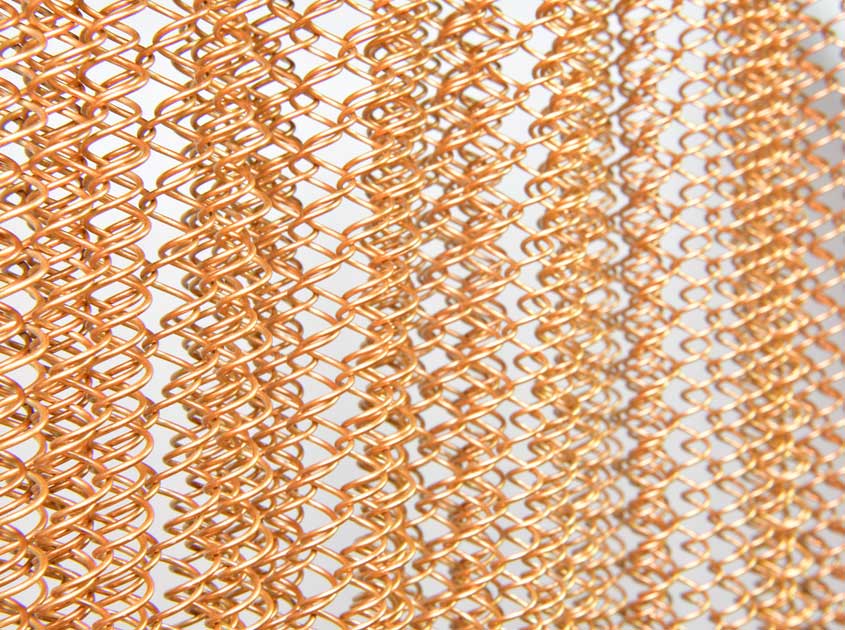
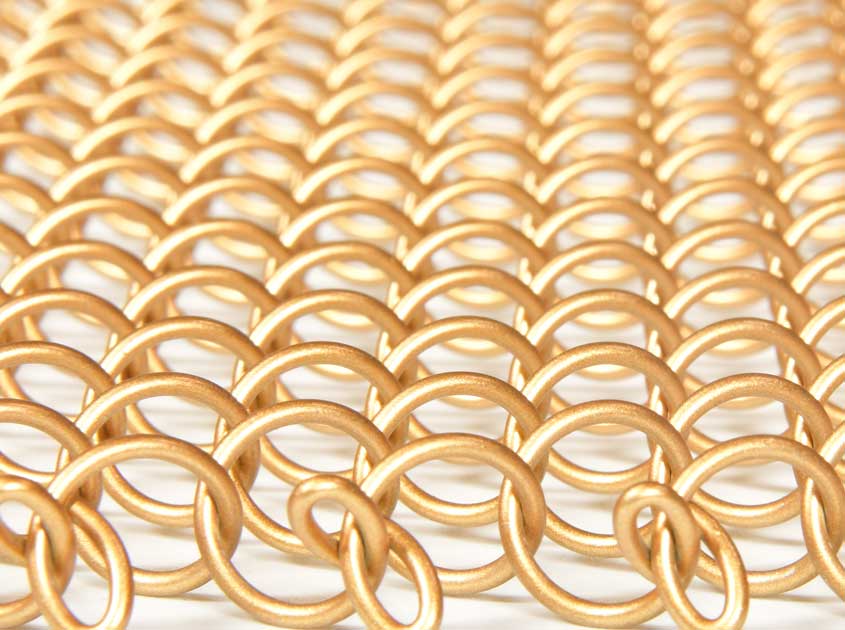
Architectural woven mesh is produced by interweaving metal wires or flat strips into decorative and functional patterns. Unlike welded mesh, woven mesh offers:
Flexible structural behavior
Elegant visual texture
Excellent airflow and light transmission
Strong load distribution
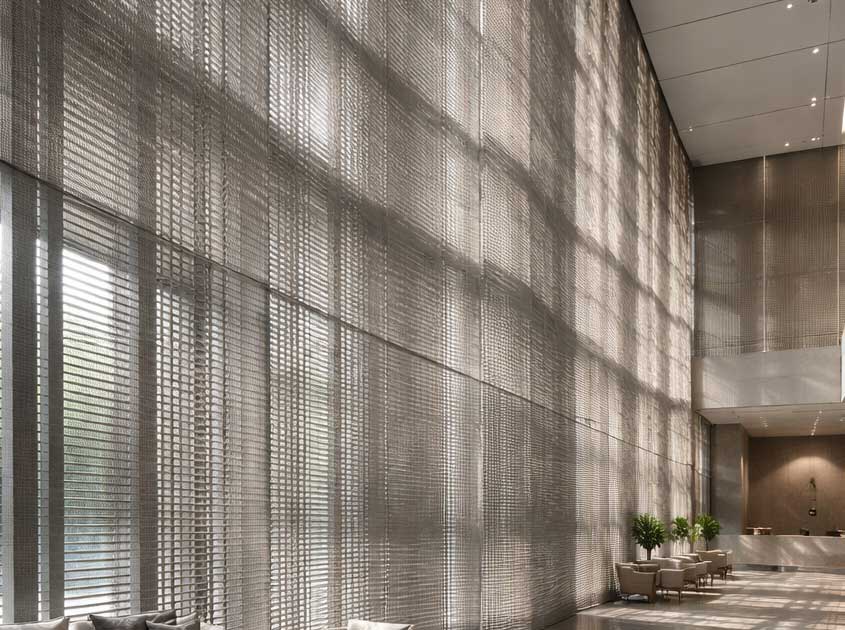
It is widely used in building facades, shading systems, ceilings, balconies, and security screens for commercial and residential projects.
2. Average Lifespan of Architectural Woven Mesh Outdoors
Under normal outdoor conditions, architectural woven mesh can last:
Galvanized steel woven mesh: 10–20 years
Stainless steel woven mesh: 25–50+ years
Aluminum woven mesh: 20–30 years
Surface-treated or coated woven mesh: 20–40 years
With proper material selection and professional manufacturing, woven metal mesh can serve as a long-term architectural solution rather than a temporary decorative element.
3. Key Factors That Affect Outdoor Lifespan
3.1 Material Selection
Material is the most important factor determining service life.
Stainless Steel (304 / 316):
Excellent corrosion resistance
Ideal for coastal, humid, or industrial environments
316 stainless steel performs best in marine or high-salt areas
Galvanized Steel:
Zinc coating protects against rust
Suitable for standard outdoor environments
More cost-effective than stainless steel
Aluminum Alloy:
Naturally corrosion-resistant
Lightweight and suitable for large façade systems
Common in modern architectural designs
3.2 Surface Treatment and Finishing
Surface treatment significantly extends outdoor durability.
Hot-dip galvanizing: Thick zinc layer, long-term rust protection
Powder coating: Improves weather resistance and aesthetics
Anodizing (for aluminum): Enhances surface hardness and corrosion resistance
Proper surface finishing can double the lifespan of woven mesh in harsh outdoor conditions.
3.3 Climate and Environmental Conditions
Outdoor lifespan varies greatly depending on installation environment.
Environment Expected Performance
Dry, inland climate Excellent durability
High humidity regions Requires corrosion-resistant materials
Coastal areas Stainless steel or coated aluminum recommended
Industrial zones Anti-corrosion treatment essential
For example, woven mesh installed in Middle Eastern or coastal European projects requires higher-grade materials than mesh used in mild continental climates.
3.4 Installation Quality
Professional installation ensures:
Proper tension and load distribution
Adequate drainage and ventilation
Reduced stress on connection points
Incorrect installation may lead to premature deformation or surface damage, even if high-quality mesh is used.
3.5 Maintenance and Cleaning
Although architectural woven mesh is generally low-maintenance, periodic care helps maximize lifespan:
Regular dust and pollutant removal
Rinsing with clean water in coastal environments
Inspection of fasteners and support structures
Simple maintenance can extend outdoor service life by 5–10 years.
4. Lifespan Comparison by Application
Building Facades
Stainless steel or aluminum woven mesh can last 30–50 years
Ideal for long-term architectural projects
Sun Shading Systems
Expected lifespan: 20–35 years
Depends on UV exposure and coating quality
Balcony & Railing Infill Panels
Galvanized or PVC-coated woven mesh: 15–25 years
Decorative Screens & Cladding
With proper treatment, lifespan often matches the building lifecycle
5. Why Architectural Woven Mesh Outperforms Other Materials Outdoors
Compared with glass, wood, or composite panels, woven metal mesh offers:
Better airflow and heat dissipation
Higher resistance to UV and temperature changes
No cracking, warping, or fading
Recyclable and environmentally friendly
These advantages make woven mesh a preferred material for sustainable architecture.
6. How to Extend the Outdoor Lifespan of Woven Mesh
To achieve maximum durability, buyers should:
Choose the right material grade for local climate
Specify proper surface treatment
Work with experienced manufacturers
Ensure export-grade packaging to prevent shipping damage
Follow correct installation guidelines
A professional manufacturer will provide technical support, material recommendations, and quality inspection reports.
7. Why Source Architectural Woven Mesh from China?
China is one of the world’s leading producers of architectural woven mesh due to:
Advanced weaving and finishing technology
Wide material options and customization capabilities
Competitive pricing for large-scale projects
Strong experience in international architectural standards
Reliable Chinese manufacturers supply woven mesh for Europe, the Middle East, North America, and South America, meeting long-term outdoor performance requirements.
8. Conclusion
So, how long does architectural woven mesh last outdoors?
With the right material, surface treatment, and professional installation, architectural woven mesh can last 20 to over 50 years in outdoor environments. Its durability, aesthetic value, and low maintenance make it an ideal solution for modern architectural applications.
For developers, architects, and distributors, choosing a reliable manufacturer and climate-appropriate specifications is the key to ensuring long-lasting performance and project success.
pre:How to Select Architectural Wire Mesh for Middle East Applications
next:Architectural Wire Mesh for Middle East Construction Projects
© 2026 Joinwin Architectural Wire. All Rights Reserved. | Sitemap

Recommended Read
How to Choose the Right Aluminum Chain Curtain for Interior Design?
What Is Architectural Wire Mesh and How Is It Used in Modern Buildings?
How to Choose Decorative Metal Mesh for Hotel Interior Design Projects?