Architectural wire mesh has become one of the most important materials in modern architecture and interior-exterior design. With the rapid development of contemporary building aesthetics, architects are increasingly using metal mesh systems to combine functionality, safety, and visual creativity.
Today, architectural wire mesh is widely used in commercial buildings, luxury hotels, shopping malls, public infrastructure, and high-end interior projects.
But what exactly is architectural wire mesh used for in modern building design?
This article explains its key applications, benefits, and why it has become a global trend in architecture.
What Is Architectural Wire Mesh?
Architectural wire mesh is a decorative and functional metal fabric made from stainless steel, aluminum, or galvanized steel wires. It is woven or spirally linked into different patterns to create flexible or rigid mesh panels.
Common materials include:
Stainless steel wire mesh
Aluminum alloy mesh
Copper or brass decorative mesh
Galvanized steel architectural mesh
Its appearance, texture, and transparency can be customized to meet different architectural styles.
1. Building Facade Cladding and Exterior Design
One of the most popular uses of architectural wire mesh is building facade cladding.
Architects use it to cover exterior surfaces of buildings for both aesthetic and functional purposes.
Benefits include:
Modern metallic appearance
Sun shading and heat reduction
Improved ventilation
Dynamic light reflection effects
Architectural mesh transforms ordinary buildings into visually striking structures, especially when sunlight interacts with the metal surface.
2. Interior Decoration and Space Division
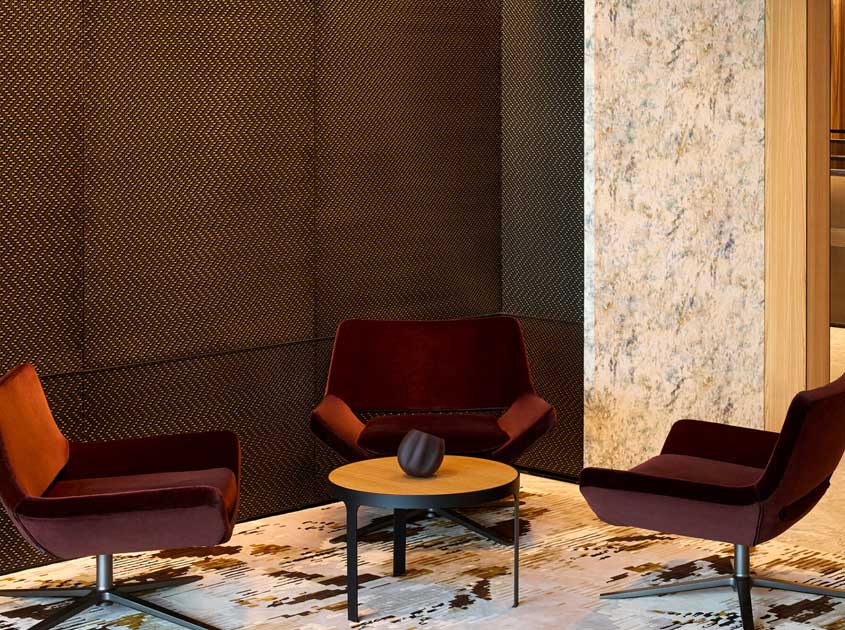
Architectural wire mesh is widely used in interior design for creating elegant and flexible spatial layouts.
Common applications include:
Hotel lobbies
Luxury restaurants
Office partitions
Retail store interiors
Exhibition halls
Unlike solid walls, metal mesh allows:
Light transmission
Air circulation
Visual depth
Flexible space separation
This creates an open yet structured interior environment.
3. Ceiling Design and Artistic Features
In modern architecture, ceilings are no longer just functional—they are part of the design identity.
Architectural wire mesh is used for:
Suspended ceiling panels
Decorative ceiling grids
Acoustic combined systems
Lighting integration designs
It can reflect and diffuse light in unique ways, adding depth and elegance to indoor spaces.
4. Safety Barriers and Protective Screens
Architectural wire mesh is also used for safety and protection in buildings.
Typical uses include:
Staircase rail infill panels
Balcony safety screens
Elevator interior cladding
Security partitions
It provides safety without blocking visibility, which is ideal for modern transparent design concepts.
5. Sun Shading and Energy Efficiency
One of the key functional roles of architectural wire mesh is solar control.
When installed on building exteriors, it helps:
Reduce direct sunlight penetration
Lower indoor cooling costs
Improve energy efficiency
Control glare inside buildings
This makes it especially valuable in hot climates and large glass curtain wall buildings.
6. Decorative Columns and Artistic Installations
Architectural mesh is not limited to flat surfaces. It is also used for creative architectural features such as:
Column wrapping
Sculptural installations
Lobby art structures
Brand identity designs in commercial spaces
Its flexibility allows designers to create unique visual effects that enhance building identity.
7. Elevator and Escalator Cladding
In modern commercial buildings, elevators and escalators are often designed with aesthetic finishes.
Architectural wire mesh is used for:
Elevator cabin interiors
Elevator shaft decoration
Escalator side panels
This adds a modern industrial aesthetic while maintaining durability and safety.
8. Types of Architectural Wire Mesh Patterns
Different weaving styles create different visual effects:
Common patterns:
Flat woven mesh
Spiral wire mesh
Crimped decorative mesh
Chain link architectural mesh
Cable mesh systems
Each pattern offers different levels of flexibility, transparency, and visual impact.
9. Why Architects Prefer Architectural Wire Mesh
Architects choose wire mesh because it offers a rare combination of:
Modern aesthetic appeal
Functional performance
Lightweight structure
Design flexibility
Durability in outdoor environments
It bridges the gap between engineering and artistic expression.
10. Comparison with Traditional Building Materials
Material Aesthetic Transparency Weight Flexibility
Architectural wire mesh High Adjustable Light High
Glass panels High Low/Medium Heavy Low
Stone cladding Medium None Very heavy Low
Aluminum panels Medium None Medium Medium
Architectural mesh stands out for its balance of beauty and functionality.
11. Why Material Selection Matters
Different materials are used depending on project requirements:
Stainless steel: best for outdoor durability and corrosion resistance
Aluminum: lightweight and modern appearance
Galvanized steel: cost-effective for large projects
Copper/brass: premium decorative applications
Material choice affects lifespan, appearance, and maintenance needs.
12. Global Demand for Architectural Wire Mesh
Architectural wire mesh is widely used in global construction projects, especially in:
Luxury hotels and resorts
Commercial shopping malls
Airport terminals
Office skyscrapers
Cultural and public buildings
Its popularity continues to grow due to modern architectural trends focused on transparency and sustainability.
Why Global Buyers Source from China
China is a major supplier of architectural wire mesh due to:
Advanced weaving and fabrication technology
Strong customization capabilities
Wide material selection
Competitive manufacturing costs
Efficient export logistics
Chinese manufacturers supply architectural mesh to:
Europe
North America
Middle East
Southeast Asia
South America
Africa
Conclusion
Architectural wire mesh is widely used in modern building design because it combines aesthetic beauty, functional performance, and structural flexibility. From facades and interiors to ceilings and safety systems, it plays a key role in shaping contemporary architecture.
Its ability to control light, improve energy efficiency, and enhance visual design makes it an essential material for modern architects and designers.
As a professional Chinese architectural wire mesh manufacturer and exporter, providing customized decorative metal mesh solutions helps global clients achieve innovative, durable, and visually impressive building designs.
pre:How Decorative Wire Mesh Improves Building Design
next:What Is a Chain Link Curtain Used for in Interior and Commercial Spaces?
© 2026 Joinwin Architectural Wire. All Rights Reserved. | Sitemap

Recommended Read
Architectural Wire Mesh vs Perforated Metal: Design, Performance and Application Guide
Why Is Architectural Wire Mesh Popular in Modern Architecture?
What Is Aluminum Chain Curtain and Where Is It Used?