Architectural wire mesh has become one of the most widely used materials in modern building design, especially for curtain wall systems and sunshade applications. With the growing demand for energy-efficient buildings and visually striking facades, architects are increasingly turning to metal mesh as a multifunctional solution that combines aesthetics, performance, and sustainability.
But is architectural wire mesh really suitable for curtain walls and sunshades?
The answer is yes—and in many cases, it is one of the most effective materials available today.
What Is Architectural Wire Mesh?
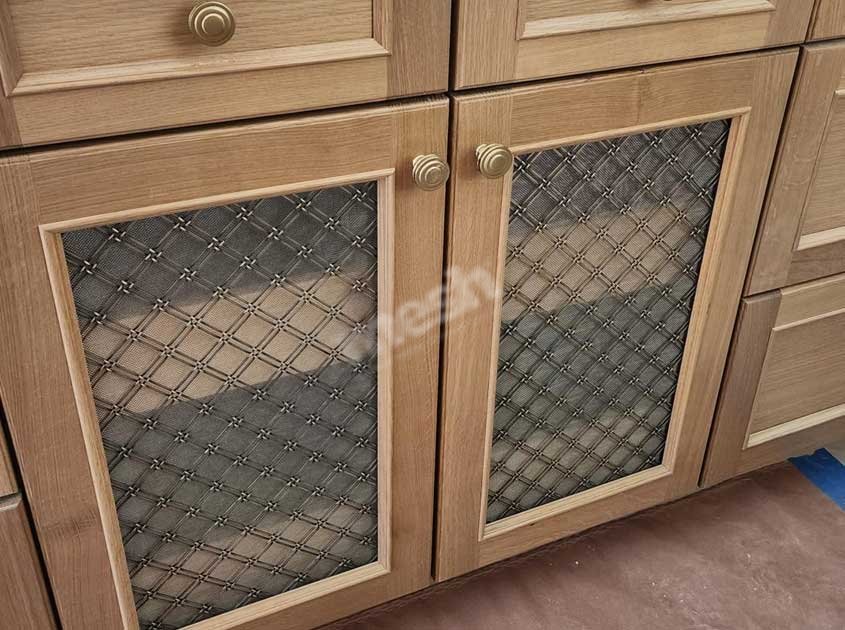
Architectural wire mesh is a type of metal fabric made from stainless steel, aluminum, or other metal alloys. It is woven or structured into flexible or rigid patterns that can be used for both decorative and functional purposes.
Common types include:
Woven architectural mesh
Stainless steel wire mesh panels
Cable mesh systems
Decorative metal fabric
It can be installed on building exteriors or interiors depending on design requirements.
1. Architectural Wire Mesh in Curtain Wall Systems
Curtain wall systems are non-structural exterior coverings of buildings, often made of glass and metal. Architectural wire mesh is increasingly used as a secondary facade layer in curtain wall designs.
Key functions include:
Providing visual depth to glass facades
Enhancing building identity
Reducing glare and solar heat gain
Adding a modern metallic texture
Architectural mesh can be installed in front of or behind glass curtain walls to create a dynamic layered effect.
2. Sunshade Performance and Solar Control
One of the most important functions of architectural wire mesh is sun shading.
When used as a sunshade system, it helps:
Block direct sunlight
Reduce indoor heat buildup
Improve occupant comfort
Lower energy consumption in cooling systems
This makes it especially suitable for large glass buildings exposed to strong sunlight, such as commercial centers, airports, and office towers.
3. Why Architects Use Wire Mesh for Facades
Architectural wire mesh is popular in facade applications because it offers a rare combination of features:
Aesthetic advantages:
Modern industrial appearance
Reflective and dynamic light effects
Customizable patterns and colors
Functional advantages:
Ventilation and airflow control
Partial transparency for visibility
Lightweight structure compared to solid panels
This balance makes it ideal for contemporary architectural styles.
4. Types of Curtain Wall Mesh Applications
Architectural wire mesh can be used in several curtain wall configurations:
1. External shading layer
Installed outside the glass facade to block sunlight and create a protective screen.
2. Double-skin facade system
Placed between two glass layers to improve thermal and visual performance.
3. Decorative facade cladding
Used purely for aesthetic enhancement of building exteriors.
4. Internal facade screen
Installed inside curtain walls for interior visual layering.
5. Benefits in Sunshade Applications
Architectural wire mesh provides multiple benefits in sunshade systems:
Reduces solar radiation
Minimizes glare inside buildings
Improves thermal insulation performance
Enhances architectural appearance
Allows natural ventilation
Compared with traditional sunshades (aluminum louvers or solid panels), mesh systems offer more flexibility and visual transparency.
6. Structural Performance and Durability
Architectural wire mesh is designed to withstand harsh environmental conditions.
Key performance features:
High tensile strength
Corrosion resistance (especially stainless steel)
Wind load resistance
UV and weather durability
It is suitable for long-term outdoor installation with minimal maintenance requirements.
7. Design Flexibility in Modern Architecture
One of the strongest advantages of architectural wire mesh is its design flexibility.
It can be customized in terms of:
Mesh density (open or tight patterns)
Wire diameter
Weaving style
Surface finish (polished, coated, anodized)
Color options
This allows architects to create unique facade expressions for different building types.
8. Comparison with Traditional Sunshade Materials
Material Aesthetic Transparency Durability Flexibility
Wire mesh High Adjustable Very high High
Aluminum louvers Medium Low High Medium
Glass fins High Low Medium Low
Fabric shading Medium High Low High
Architectural wire mesh stands out because it combines durability, transparency, and modern visual appeal in one system.
9. Energy Efficiency and Sustainable Design
Modern architecture increasingly focuses on sustainability, and architectural wire mesh supports this trend by:
Reducing cooling energy demand
Improving natural light control
Supporting passive shading systems
Being recyclable and reusable
This makes it an important material for green building certifications and energy-efficient design strategies.
10. Global Applications in Real Projects
Architectural wire mesh is widely used in global construction projects such as:
Commercial office towers
Airports and transport hubs
Shopping malls
Luxury hotels and resorts
Cultural and public buildings
Its ability to combine aesthetics with performance makes it a preferred solution for modern facades.
Why Global Buyers Source from China
China has become a major supplier of architectural wire mesh due to:
Advanced weaving and fabrication technology
Strong customization capabilities
Competitive pricing advantages
Large-scale production capacity
Efficient export logistics
Chinese manufacturers serve clients across:
Europe
North America
Middle East
Southeast Asia
South America
Africa
Conclusion
Architectural wire mesh is not only suitable for curtain walls and sunshades—it is one of the most effective materials for these applications. It improves building appearance, enhances energy efficiency, and supports modern sustainable design principles.
By combining functionality with aesthetics, architectural wire mesh has become a key material in contemporary facade engineering.
As a professional Chinese architectural wire mesh manufacturer, providing customized solutions for curtain walls and sunshade systems helps global clients achieve high-performance, visually striking, and energy-efficient building designs.
pre:What Is a Chain Link Curtain Used for in Interior and Commercial Spaces?
© 2026 Joinwin Architectural Wire. All Rights Reserved. | Sitemap

Recommended Read
Architectural Wire Mesh vs Perforated Metal: Design, Performance and Application Guide
Why Is Architectural Wire Mesh Popular in Modern Architecture?
What Is Architectural Wire Mesh and How Is It Used in Modern Buildings?