Architectural metal systems have become an essential part of modern building design, especially in commercial facades, interior decoration, sun shading systems, and high-end architectural projects. Among the most commonly used materials are architectural mesh and perforated metal panels.
Although both are widely used in architecture and design, they differ significantly in structure, flexibility, appearance, performance, and application scenarios. Understanding the difference between architectural mesh vs perforated metal panels helps architects, contractors, and international buyers choose the right solution for their projects.
This article provides a clear, practical comparison based on real-world architectural applications.
What Is Architectural Mesh?
Architectural mesh, also known as decorative wire mesh or architectural wire fabric, is a flexible material made from woven, knitted, or spirally interlinked metal wires.
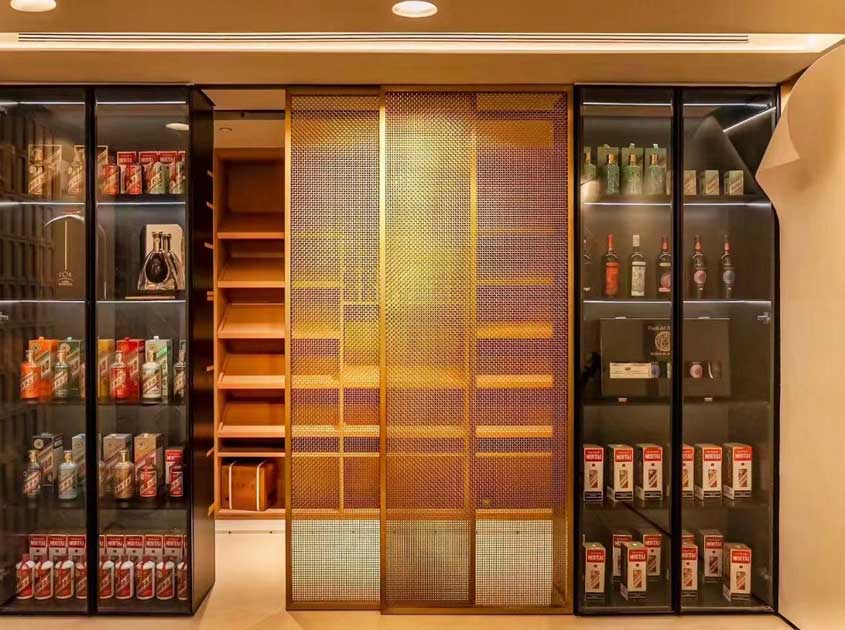
It is commonly made from:
Stainless steel
Aluminum
Brass
Copper
Key Characteristics of Architectural Mesh:
Flexible and drapable like fabric
Lightweight structure
Transparent or semi-transparent design
Customizable weave patterns
Suitable for curved and dynamic installations
Architectural mesh is often used for aesthetic and functional design elements in modern architecture.
What Are Perforated Metal Panels?
Perforated metal panels are flat sheets of metal that have been mechanically punched with a pattern of holes.
They are typically made from:
Stainless steel
Aluminum
Galvanized steel
Mild steel
Key Characteristics of Perforated Metal Panels:
Rigid and flat structure
Precise hole patterns
High strength and durability
Excellent structural stability
Suitable for large-scale facade systems
Perforated panels are commonly used in building envelopes and industrial architectural applications.
Architectural Mesh vs Perforated Metal Panels: Key Differences
1. Flexibility and Structure
Architectural Mesh:
Highly flexible
Can be bent, folded, or hung like curtains
Ideal for dynamic and curved designs
Perforated Metal Panels:
Rigid and flat
Cannot be easily bent
Best for structured, fixed installations
Mesh is flexible; perforated panels are rigid.
2. Visual Appearance
Architectural Mesh:
Soft, textile-like appearance
Creates flowing, elegant visual effects
Changes appearance with lighting and viewing angle
Perforated Metal Panels:
Clean, geometric look
Strong architectural rhythm
Uniform and structured visual impact
Mesh offers softness; perforated panels offer precision.
3. Light and Air Permeability
Architectural Mesh:
High transparency
Excellent airflow
Light-filtering effect with depth
Perforated Metal Panels:
Controlled light transmission
Limited airflow depending on hole density
More shading capability
Mesh is more open; perforated panels offer more control.
4. Strength and Durability
Architectural Mesh:
Strong but flexible
Less impact resistance than solid panels
Best for decorative and semi-structural use
Perforated Metal Panels:
High structural strength
Suitable for load-bearing facade systems
More resistant to physical impact
Perforated panels are structurally stronger.
5. Installation Methods
Architectural Mesh:
Suspended systems
Curtain-like installation
Used in ceilings, partitions, and facades
Perforated Metal Panels:
Fixed frame mounting
Bolted or welded systems
Used in cladding and structural facades
Mesh is easier for flexible design; perforated panels require rigid installation.
Applications of Architectural Mesh
Architectural mesh is widely used in high-end design projects due to its aesthetic flexibility.
Interior Design Applications:
Hotel lobbies
Luxury retail stores
Restaurant partitions
Ceiling decoration systems
Exterior Applications:
Building facades
Sun shading systems
Curtain wall decoration
Parking garage facades
Functional Applications:
Safety barriers
Space separation systems
Elevator interior decoration
Applications of Perforated Metal Panels
Perforated metal panels are commonly used in structural architectural systems.
Building Facades:
Modern commercial buildings
Office towers
Shopping malls
Transportation hubs
Sun Shading Systems:
Solar control facades
Exterior shading screens
Energy-efficient building envelopes
Industrial Applications:
Equipment covers
Ventilation panels
Machine enclosures
Material Options for Both Systems
Stainless Steel
High corrosion resistance
Premium architectural appearance
Long service life
Aluminum
Lightweight
Easy installation
Cost-effective for large projects
Coated Steel
Powder-coated or galvanized
Custom colors available
Suitable for industrial projects
Advantages of Architectural Mesh
Highly flexible design possibilities
Lightweight and easy to install
Excellent visual aesthetics
Suitable for curved architectural surfaces
Strong modern design appeal
Advantages of Perforated Metal Panels
High structural strength
Precise engineering design
Excellent durability
Strong sun shading performance
Ideal for large building facades
How to Choose Between Them
Choosing between architectural mesh and perforated metal panels depends on project requirements:
Choose Architectural Mesh If:
You need flexible, artistic design
The project involves interior decoration
You want a soft, flowing visual effect
Light transparency is important
Choose Perforated Metal Panels If:
You need structural strength
The project is a building facade
Sun shading performance is required
Durability is the top priority
Why Global Buyers Source from China
China is a leading global supplier of architectural metal products due to:
Advanced metal processing technology
Large-scale manufacturing capacity
Wide material and pattern options
Competitive pricing
Strong export experience
Chinese manufacturers supply architectural mesh and perforated panels to Europe, the Middle East, North America, and Southeast Asia.
Conclusion
Architectural mesh vs perforated metal panels is not a question of which is better, but which is more suitable for your specific project.
Architectural mesh offers flexibility, elegance, and dynamic visual effects
Perforated metal panels provide strength, structure, and precise architectural control
Both materials play an important role in modern architecture and can even be combined in complex design systems.
As a professional Chinese manufacturer of wire mesh and architectural metal products, providing high-quality customized solutions helps global architects, contractors, and developers achieve both aesthetic excellence and functional performance in modern construction projects worldwide.
© 2026 Joinwin Architectural Wire. All Rights Reserved. | Sitemap

Recommended Read
Architectural Wire Mesh in Modern Buildings: Design Benefits, Functions and Applications
Architectural Wire Mesh vs Perforated Metal: Design, Performance and Application Guide
Why Is Architectural Wire Mesh Popular in Modern Architecture?