
The architectural and interior design industries in Middle Eastern countries are increasingly adopting decorative mesh products for façades, partitions, ceilings, staircases, balustrades, and outdoor installations. With the rise of luxury construction projects, hotels, office towers, and public buildings, choosing the right decorative mesh has become crucial for both architects and distributors. Chinese manufacturers, offering professional design and export capabilities, can help provide high-quality, customizable solutions for this growing market.
This article explores the key factors that Middle Eastern buyers should consider when selecting decorative mesh products to ensure durability, aesthetics, and compliance with local requirements.
1. Understand the Application and Function
Choosing the right mesh starts with identifying its intended use:
Façade cladding: Requires corrosion resistance and structural stability
Interior partitions or ceilings: Focus on aesthetics and acoustic performance
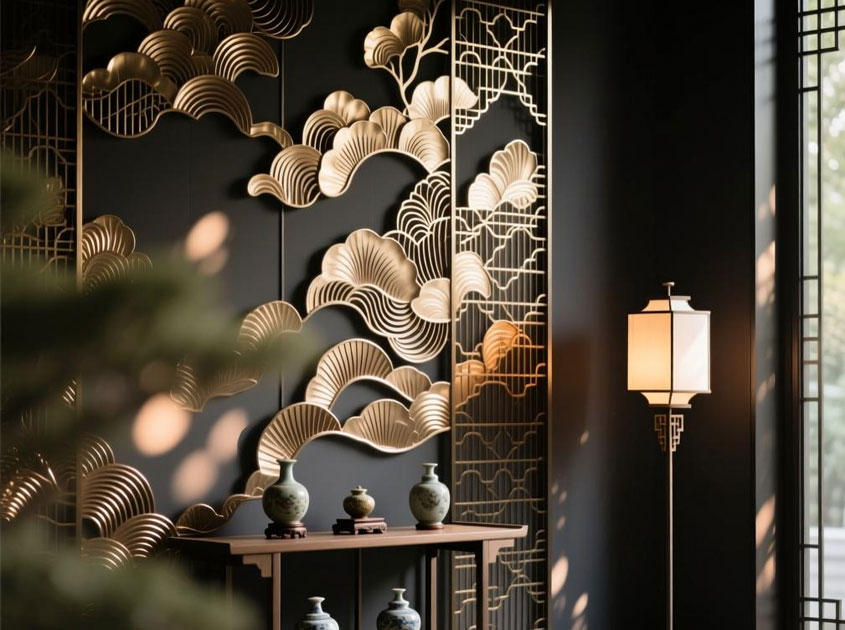
Balustrades and staircases: Emphasize safety, strength, and design
Outdoor security or decorative fencing: Requires weather-resistant coatings
Understanding the application ensures the selected mesh meets both functional and design requirements.
2. Select Appropriate Material
Different materials provide varying levels of durability, appearance, and corrosion resistance:
Stainless steel mesh: Ideal for outdoor façades, water-resistant, and durable
Aluminum mesh: Lightweight and suitable for interior applications
Copper, bronze, or brass mesh: Adds luxury aesthetic appeal for high-end projects
Powder-coated or PVC-coated mesh: Offers color variety and additional corrosion protection
Material selection should consider the local climate, environmental exposure, and project requirements.
3. Consider Mesh Type and Pattern
Decorative mesh comes in various types and patterns, affecting both design and functionality:
Woven mesh: Offers uniform pattern and high transparency
Welded mesh: Provides strong structural support for architectural panels
Expanded or perforated metal mesh: Allows for creative patterns and airflow
Custom patterns: CNC-cut or laser-cut designs for bespoke projects
Middle Eastern designers often prefer unique, eye-catching patterns for luxury hotels, shopping centers, and public buildings. Suppliers with customization capabilities are highly valuable.
4. Evaluate Coating and Surface Treatment
Middle Eastern climates—hot, dry, and sometimes coastal—require special attention to coatings:
Galvanized coating: Protects against corrosion for outdoor applications
Powder coating or painting: Adds decorative finishes and UV resistance
Stainless steel finishing (brushed, polished, mirror): Enhances appearance and longevity
Proper surface treatment ensures that the mesh remains visually appealing and durable in extreme environmental conditions.
5. Check Compliance with Safety and Building Standards
Safety and regulatory compliance are essential:
Load-bearing capacity: Ensure mesh can support intended applications
Fire resistance: Especially for interior partitions, ceilings, and façade panels
Local building codes: Verify regulations related to materials, coatings, and installation
Working with Chinese manufacturers who provide certifications and test reports helps distributors meet local requirements efficiently.
6. Assess Supplier Experience and Technical Support
A reliable supplier ensures consistent quality and provides guidance for project success:
Proven experience exporting decorative mesh to international markets
Availability of installation manuals, drawings, and technical recommendations
Ability to provide customized solutions and prototypes
Responsive after-sales support for problem-solving or on-site guidance
Suppliers offering technical support help reduce installation errors and enhance project quality.
7. Consider Logistics and Delivery Options
Timely delivery and safe transportation are critical for Middle Eastern projects:
Sea freight: Suitable for large-volume shipments, cost-effective
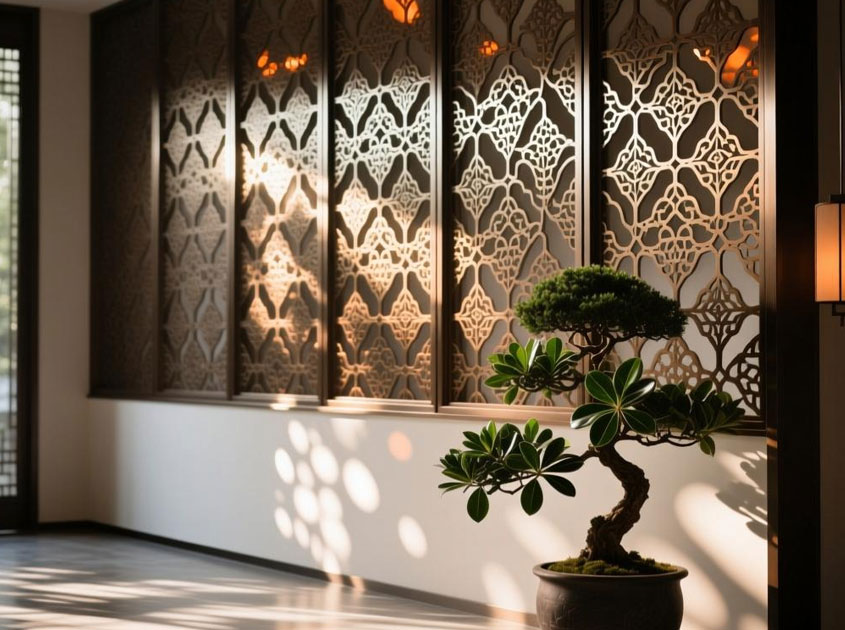
Air freight: Best for urgent or high-value decorative mesh orders
Protective packaging: Prevent scratches, deformation, or corrosion during transit
A supplier with professional packaging and logistics experience ensures the products arrive in perfect condition.
8. Evaluate Cost vs. Quality
While cost is always a factor, the cheapest option may not be the best:
High-quality stainless steel or aluminum mesh may have higher upfront costs but longer lifespan and lower maintenance
PVC-coated or powder-coated finishes provide added durability at reasonable prices
Consider total project cost, including shipping, installation, and maintenance
Middle Eastern distributors often balance budget constraints with aesthetic and functional requirements when choosing decorative mesh.
Conclusion
Middle Eastern countries can choose the right decorative mesh by carefully evaluating application needs, materials, mesh type, surface treatments, safety compliance, supplier experience, logistics, and cost. Working with experienced Chinese manufacturers ensures access to customized, high-quality, and certified decorative mesh solutions that meet the design, functional, and regulatory requirements of the local market.
By selecting the right decorative mesh and reliable suppliers, architects, contractors, and distributors in the Middle East can deliver projects that are visually impressive, durable, and fully compliant with local standards, boosting both project value and customer satisfaction.
next:none
© 2025 Joinwin Architectural Wire. All Rights Reserved. | Sitemap
Recommended Read
How to Provide Customized Decorative Mesh Solutions for the European and American Construction Industry
What Is the Best Transportation Method for Architectural Decorative Mesh Products in the Middle East Market?
How Middle East Distributors Can Ensure Quality and On-Time Delivery of Decorative Mesh Products from China